Expert Lime Mortar Repointing for Historic Buildings
- info0135975
- Nov 3, 2025
- 4 min read
Historic buildings tell stories of the past through their architecture and materials. One key element that preserves these stories is the mortar holding the masonry together. When mortar deteriorates, it threatens the structure’s integrity and appearance. Lime mortar repointing offers a solution that respects the building’s original fabric while providing lasting protection.
This post explains why lime mortar repointing is essential for historic buildings, how the process works, and what makes expert craftsmanship crucial. Whether you own or care for a historic property, understanding lime mortar repointing helps you make informed decisions to protect your investment.
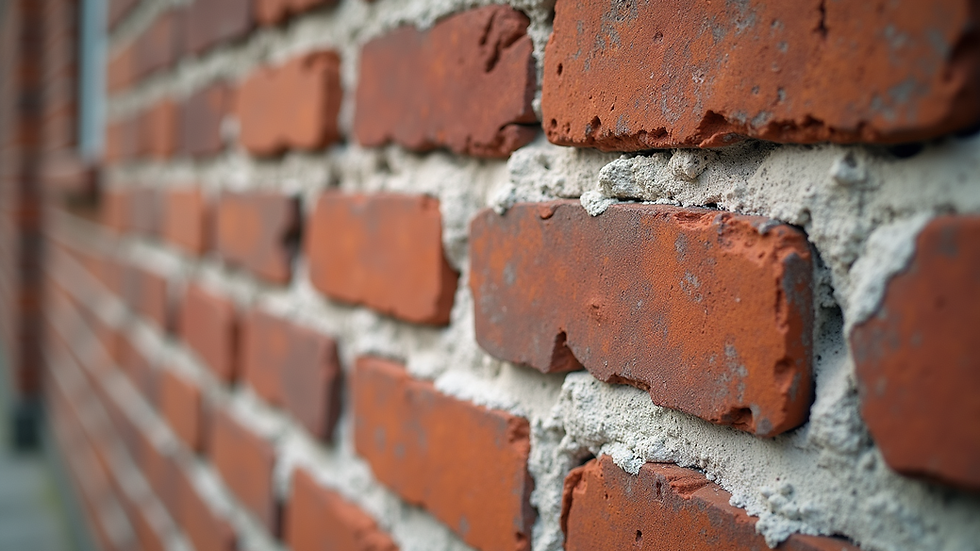
Why Lime Mortar Matters for Historic Buildings
Many historic buildings were constructed using lime mortar, a mixture of lime, sand, and water. Unlike modern cement-based mortars, lime mortar remains flexible and breathable. This flexibility allows the building to move slightly with temperature and moisture changes without cracking.
Using the wrong mortar can cause serious damage:
Hard cement mortars trap moisture inside masonry, leading to spalling or crumbling bricks and stones.
Incompatible mortars cause cracks as they do not expand or contract with the original materials.
Loss of historic character occurs when mortar color or texture does not match the original.
Lime mortar repointing restores the building’s ability to breathe and move naturally, preserving both its structure and appearance.
Signs Your Historic Building Needs Repointing
Repointing means removing damaged mortar and replacing it with new mortar. You might need repointing if you notice:
Crumbling or missing mortar joints
Loose or shifting bricks or stones
Water penetration or damp patches inside the building
Visible cracks along mortar lines
Excessive dust or powder from mortar joints
Ignoring these signs accelerates deterioration and increases repair costs. Early intervention with lime mortar repointing can prevent more extensive damage.
The Lime Mortar Repointing Process Explained
Repointing is a skilled task that requires knowledge of historic materials and careful execution. The main steps include:
1. Assessment and Analysis
Experts first assess the building’s condition and analyze the original mortar composition. This ensures the new mortar matches the historic mix in strength, color, and texture.
2. Careful Removal of Old Mortar
Using hand tools or low-impact methods, the damaged mortar is removed to a suitable depth without harming the masonry. Power tools or aggressive methods can damage bricks or stones.
3. Preparing the Lime Mortar Mix
The lime mortar is mixed on-site using traditional materials. The mix typically includes:
Hydrated lime or natural hydraulic lime for flexibility and breathability
Well-graded sand matching the original texture
Water to achieve the right consistency
Additives or pigments may be included to match historic colors.
4. Applying the New Mortar
The fresh lime mortar is pressed firmly into the joints in layers, allowing each layer to set slightly before adding the next. This prevents shrinkage cracks and ensures a strong bond.
5. Finishing and Curing
The joints are tooled to match the original profile and texture. The mortar is kept moist during curing to prevent rapid drying, which can weaken the bond.
Why Hire Experts for Lime Mortar Repointing
Lime mortar repointing is not a simple patch job. It requires:
Material knowledge to replicate historic mortar accurately
Skillful workmanship to avoid damage to fragile masonry
Patience and care during removal and application
Understanding of building behavior to ensure long-term durability
Inexperienced contractors may use cement mortars or improper techniques that cause more harm than good. Experts protect your building’s heritage and extend its lifespan.
Benefits of Proper Lime Mortar Repointing
Choosing expert lime mortar repointing offers several advantages:
Preserves historic authenticity by matching original materials and appearance
Improves structural stability by restoring mortar strength and flexibility
Enhances moisture management by allowing walls to breathe and dry naturally
Reduces maintenance costs by preventing accelerated decay
Increases property value through careful preservation of character
Common Challenges and How Experts Overcome Them
Repointing historic buildings can present challenges such as:
Matching mortar color and texture: Experts conduct mortar analysis and test samples to achieve a perfect match.
Working with fragile masonry: Hand tools and gentle techniques protect delicate bricks or stones.
Weather conditions: Lime mortar requires controlled curing; experts plan work around weather to avoid damage.
Access to high or awkward areas: Skilled teams use scaffolding and safety measures to reach all parts of the building.
Case Study: Repointing a 19th Century Stone Cottage
A 19th-century stone cottage showed signs of mortar erosion and water ingress. The owners hired specialists who:
Analyzed the original lime mortar composition
Removed damaged mortar by hand to avoid stone damage
Mixed a lime mortar blend matching the historic color and texture
Repointed the walls carefully, maintaining the original joint profiles
Monitored curing with protective coverings during dry spells
The result was a restored façade that maintained the cottage’s character and stopped moisture problems. The owners reported improved comfort and reduced repair needs.
How to Choose the Right Lime Mortar Repointing Specialist
Look for contractors who:
Have experience with historic buildings and lime mortar
Provide references or examples of past projects
Use traditional materials and methods
Offer a detailed assessment and clear explanation of the process
Follow conservation best practices and local regulations
Request a written quote and timeline before work begins.
Maintaining Lime Mortar After Repointing
Proper maintenance extends the life of lime mortar:
Inspect joints regularly for cracks or erosion
Avoid using high-pressure washers or harsh chemicals on masonry
Keep gutters and downspouts clear to prevent water damage
Address minor repairs promptly to avoid larger issues
Regular care helps preserve the building’s appearance and structure.
Lime mortar repointing is essential for protecting historic buildings from damage while respecting their original materials. Expert craftsmanship ensures the mortar matches the building’s character and performs well over time. If your historic property shows signs of mortar decay, seek professional advice to plan repointing that preserves its story for future generations. Taking action now safeguards your investment and honors the craftsmanship of the past.


Comments