Masonry Repairs Keeping Oxfordshire's Historic Structures Strong
- info0135975
- Nov 3, 2025
- 4 min read
Historic buildings in Oxfordshire tell stories of centuries past. Their stone walls, arches, and facades stand as reminders of craftsmanship and heritage. Over time, weather, pollution, and natural wear cause damage to these masonry structures. Without proper care, this damage can worsen, threatening the integrity and beauty of these landmarks. Masonry repairs play a vital role in preserving Oxfordshire’s historic buildings for future generations.
Why Masonry Repairs Matter for Oxfordshire’s Heritage
Oxfordshire is home to many historic sites, including churches, colleges, and old homes built from stone and brick. These materials, while durable, face constant exposure to rain, frost, and pollution. Over decades, mortar crumbles, stones crack, and surfaces erode. If left untreated, this deterioration can lead to structural problems or loss of original features.
Masonry repairs help by:
Restoring strength to weakened walls and arches
Preventing water from seeping into cracks and causing further damage
Preserving original materials and craftsmanship
Maintaining the building’s appearance and historical value
Without timely repairs, small issues become costly problems. For example, a minor crack in a stone wall can allow moisture inside, which freezes in winter and expands, causing larger breaks. Repairing early saves money and protects the building’s character.
Common Masonry Issues in Oxfordshire’s Historic Buildings
Several types of damage frequently appear in Oxfordshire’s older masonry:
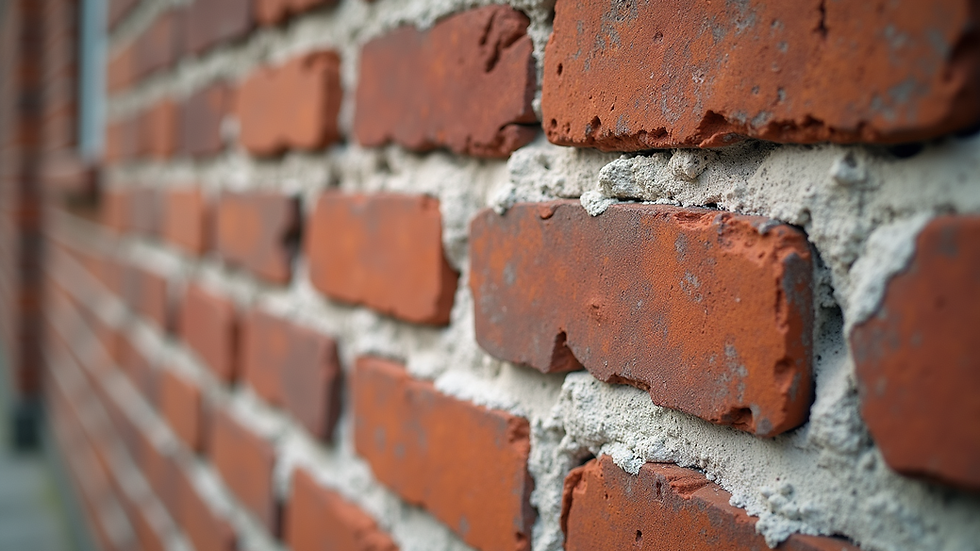
Mortar decay: Traditional lime mortar can erode or crumble, weakening joints between stones or bricks.
Stone erosion: Soft stones like limestone wear down from rain and pollution, losing detail and shape.
Cracks and fractures: Movement in foundations or temperature changes cause cracks that threaten stability.
Biological growth: Moss, algae, and lichens grow on damp surfaces, trapping moisture and accelerating decay.
Salt damage: Salts from groundwater or pollution crystallize inside masonry, causing flaking and spalling.
Each issue requires a specific repair approach to avoid further harm.
Techniques Used in Masonry Repairs
Repairing historic masonry demands skill and respect for original materials. Common techniques include:
Repointing: Removing damaged mortar and replacing it with new lime-based mortar that matches the original in composition and appearance. This restores joint strength and prevents water ingress.
Stone patching: Filling small holes or eroded areas with compatible stone or mortar to restore surface integrity.
Stone replacement: When stones are too damaged, craftsmen carefully remove and replace them with matching stone sourced locally or from similar quarries.
Crack stitching: Installing stainless steel rods across cracks inside the wall to stabilize and prevent further movement.
Cleaning: Gentle cleaning methods remove biological growth and pollutants without damaging the stone surface.
Using traditional materials like lime mortar is crucial. Modern cement mortars are too hard and trap moisture, causing more damage over time.
Case Study: Repairing a 17th Century Oxfordshire Manor
A 17th-century manor house near Oxford showed signs of mortar decay and stone erosion on its south-facing walls. The repair team began by carefully removing loose mortar and cleaning the stone surfaces. They repointed the joints with a lime mortar mix matching the original. Damaged limestone blocks were replaced with locally quarried stone. The team also installed discreet crack stitching rods in areas showing structural movement.
After repairs, the manor’s walls regained strength and weather resistance. The work preserved the building’s historic character while ensuring it remains safe for residents and visitors.

Choosing the Right Professionals for Masonry Repairs
Masonry repair on historic buildings requires expertise in traditional materials and techniques. Property owners should look for:
Experience with listed or historic buildings
Knowledge of lime mortars and stone types common in Oxfordshire
Ability to assess damage and recommend appropriate repairs
Use of non-invasive methods that protect original fabric
Proper insurance and references
Hiring skilled masons ensures repairs last and respect the building’s heritage.
Maintaining Masonry After Repairs
Repairs are only part of the solution. Ongoing maintenance helps keep masonry strong:
Regular inspections to spot early signs of damage
Clearing gutters and downpipes to prevent water buildup
Removing biological growth carefully without harsh chemicals
Avoiding cement-based repairs that trap moisture
Monitoring nearby trees or plants that may affect foundations
Good maintenance extends the life of repairs and protects the building’s value.
The Role of Conservation Guidelines and Regulations
Many historic buildings in Oxfordshire are protected by conservation laws. Repairs often require:
Listed building consent or planning permission
Use of approved materials and methods
Documentation of work for future reference
Working with conservation officers and heritage bodies helps ensure repairs meet legal and preservation standards.
How Masonry Repairs Support Oxfordshire’s Community
Preserving historic buildings benefits more than just owners. These structures:
Attract visitors and support local tourism
Provide a sense of identity and continuity
Offer educational opportunities about history and craft
Enhance property values in the area
Investing in masonry repairs helps keep Oxfordshire’s heritage alive and thriving.
Masonry repairs are essential to protect Oxfordshire’s historic buildings from decay and damage. Using traditional materials and skilled craftsmanship, these repairs restore strength and beauty while respecting the past. Property owners should act early when signs of wear appear and choose experienced professionals for the job. With proper care, Oxfordshire’s stone walls and arches will continue to tell their stories for centuries to come. If you own a historic property or care about local heritage, consider scheduling an inspection to assess masonry condition and plan repairs before problems grow.


Comments